
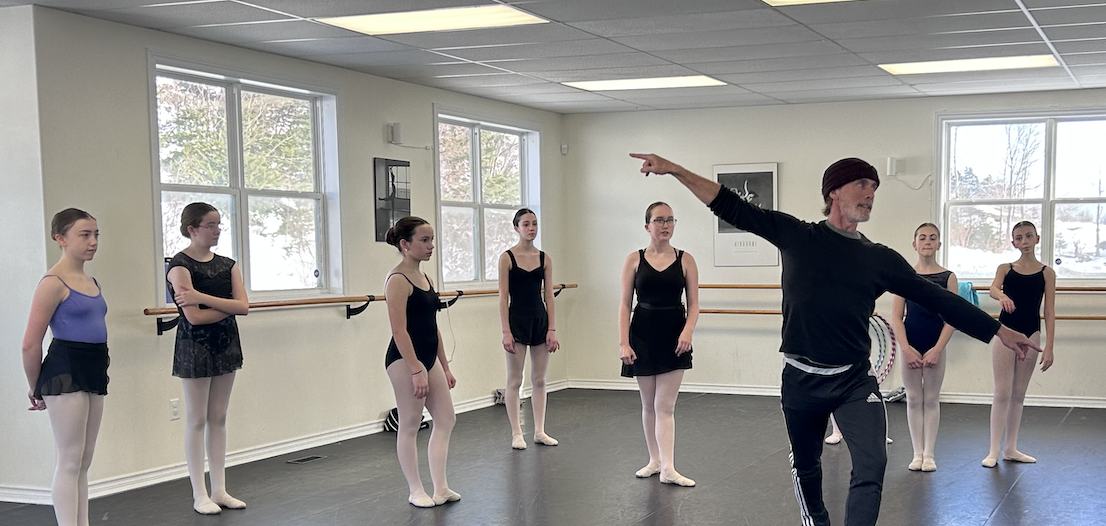
Dancing Through Summer
It All Begins Here
Why Summer Dance Training Matters
For young dancers, progress doesn’t come from talent alone—it comes from consistency. Continuing classes over the summer plays an important role in a dancer’s development, both physically and mentally.
Maintaining Progress
Dance is a highly technical discipline, and skills can fade quickly without regular practice. Taking an extended break often means spending valuable time in the fall rebuilding strength, flexibility, and technique rather than progressing forward.
Building Strength and Flexibility
Ongoing training helps dancers maintain and improve the physical foundations of dance. Strength, stamina, and flexibility are all developed over time, and summer classes allow dancers to continue building on what they’ve achieved throughout the year.
Reinforcing Technique
For young dancers especially, proper technique is still being established. Regular classes help reinforce alignment, posture, and movement quality—creating strong habits that support long-term growth and help prevent injury.
Developing Confidence
When dancers continue training, they return to class feeling prepared and capable. That confidence carries into all areas of their dancing, from learning new choreography to performing on stage.
Encouraging Commitment and Discipline
Summer training helps instill an important mindset: improvement comes from consistency. It encourages dancers to stay committed to their goals and take pride in their progress.
Focused Skill Development
Without the demands of performances and competitions, summer classes provide a valuable opportunity to focus on specific skills and areas of growth, often leading to meaningful breakthroughs.
Staying Connected
Dance offers more than physical benefits—it provides structure, friendships, and a sense of community. Continuing through the summer helps dancers stay engaged and connected.
A Strong Start to the New Season
Dancers who train over the summer return ready to move forward, not backward. They often adapt more quickly, progress faster, and feel more confident stepping into a new season.